
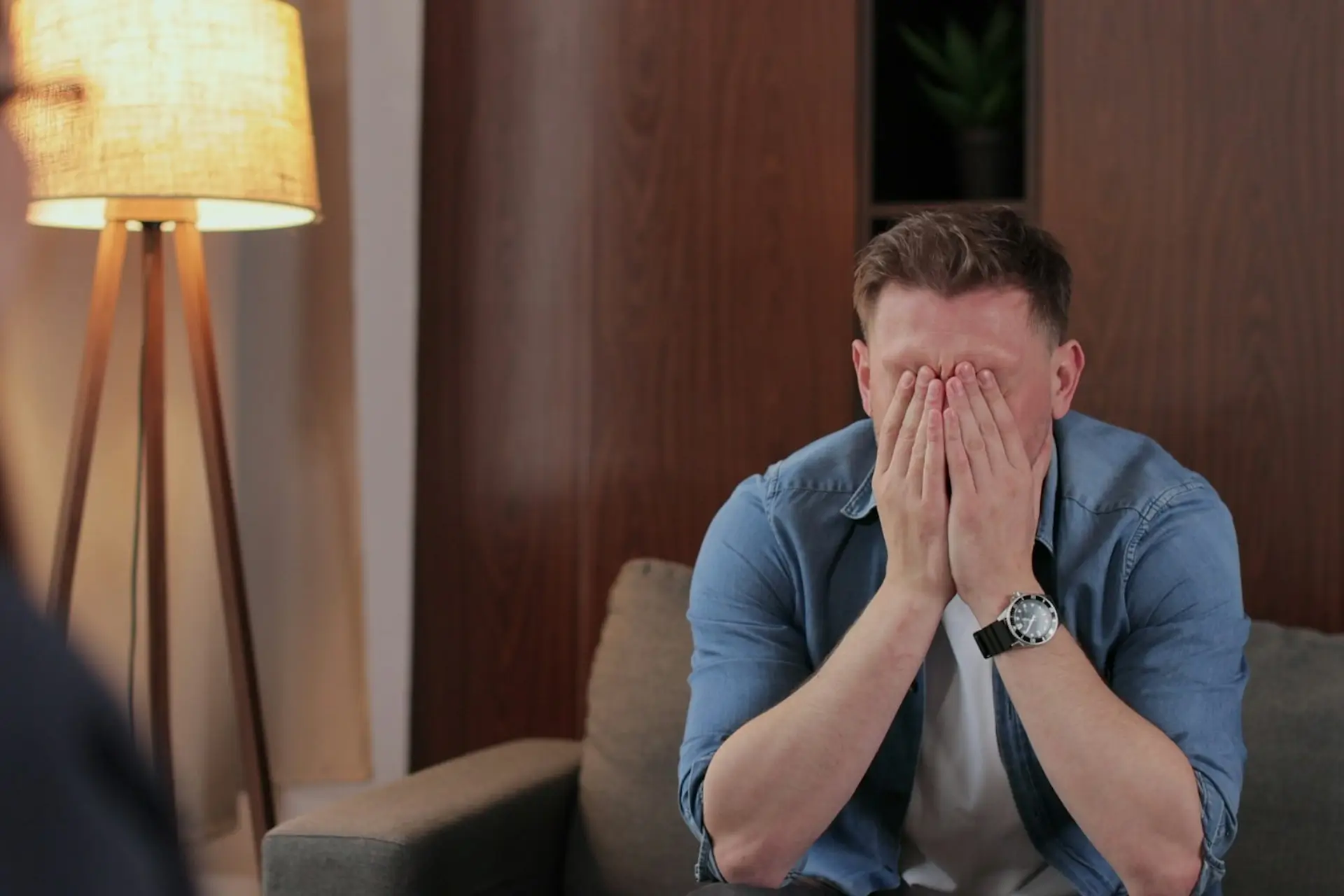
Neuroplasticity Recovery: The Science of Starting Over
The brain is not a porcelain vase that stays broken once it’s dropped; it is more like a muscle. What you feed grows, and what you starve withers. This is the essence of neuroplasticity recovery. When you stop the behavior and begin therapy, your brain starts “synaptic pruning.”
At Motyv, this process is central to how recovery is approached, combining clinical frameworks with structured support to help men rebuild healthier patterns over time.
The massive, high-speed neural highways you built toward addiction begin to degrade from disuse. Simultaneously, as you engage in healthy habits, journaling, movement, and brotherhood, you begin building new bridges. Over time, these new paths become the “default” route for your thoughts.
The Role of Cognitive Behavioral Therapy (CBT) in Addiction
Cognitive Behavioral Therapy (CBT) for addiction is the “map” that guides this rewiring. CBT helps you identify the “Cue, Routine, Reward” loop that has kept you stuck.
Instead of being blindsided by an urge, therapy teaches you to notice the physical sensation of a trigger in real-time. By labeling the thought (“This is an urge, not an instruction”), you create a gap between the impulse and the action. This gap is where freedom lives. Combined with dopamine regulation therapy, which focuses on stabilizing your brain chemistry through structured sleep, nutrition, and stress management, CBT provides the tools to interrupt the cycle before it starts.
Rebuilding the “Brakes”: Strengthening Impulse Control
In a brain struggling with addiction, the “CEO” of the prefrontal cortex has essentially been fired. This is the part of the brain that weighs consequences and aligns actions with values.
Therapy acts as a rehabilitation program for your inner CEO. Through habit reversal training, you learn to replace the “urge to view” with a “meaningful action.” Every time you choose to sit with the discomfort of a craving rather than giving in, you are physically thickening the gray matter in your prefrontal cortex. You are rebuilding your brakes, making it easier to stop the next time the road gets slippery.
Long-Term Recovery Outcomes: What to Expect
Healing isn’t overnight, but it is predictable. Research shows that as dopamine receptors return to normal levels, the “brain fog” begins to lift. Men often report:
- Restored Sensitivity: Real-life intimacy becomes vibrant again.
- Emotional Regulation: Anxiety and shame decrease as your internal chemistry stabilizes.
- Reclaimed Purpose: With the brain no longer obsessed with the next hit, energy is freed up to pursue your calling and your faith.
Your Brain Was Made for More
Healing isn’t just about stopping a bad habit; it’s about restoring a masterpiece. By understanding the “why” behind your actions and using the right tools to rebuild your mind, you move from being a captive of your chemistry to a master of your destiny.
FAQs
Q: How long does it take for the brain to heal from porn addiction?
While everyone is different, the “90-day reset” is a common biological benchmark for dopamine receptors to begin significant upregulation. However, neuroplasticity is a lifelong process.
Q: Can CBT really change my physical brain structure?
Yes. Studies using fMRI have shown that consistent behavioral changes from CBT lead to changes in brain volume and connectivity.
Q: Why is willpower not enough to rewire my brain?
Willpower is a finite resource located in the prefrontal cortex, the very part of the brain weakened by addiction. Therapy provides external “tools” and “frameworks,” so you don’t have to rely on a weakened muscle to do the heavy lifting.
Start Your Journey to Freedom Today
White-knuckling has a 100% failure rate because it ignores the biology of addiction. You don’t need more discipline; you need understanding.
Join Liberate, our therapy-led digital course designed to give you the clinical tools and faith-based foundation to actually rewire your brain for good. Contact Motyv today to learn how to begin your liberation from addiction.